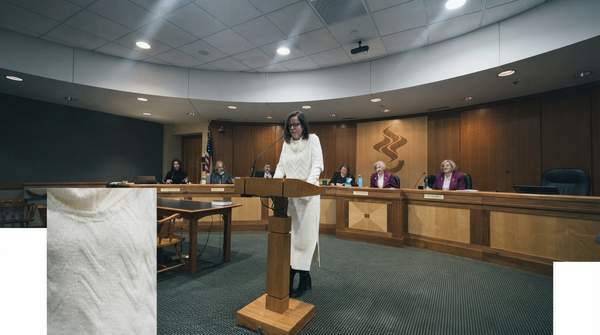
In Ohio, a new law now demands a 60% supermajority for citizen-proposed constitutional amendments. This significant barrier could effectively halt many grassroots efforts, according to Ohio Capital Journal, making the ballot initiative process more challenging for 2026.
Legislators claim these new rules make ballot initiatives clearer for voters. Yet, their strict requirements appear to make it significantly harder for citizen-led measures to pass. Arizona, for instance, proposes a bill mandating legislative review and rephrasing of all ballot initiative language before it reaches the ballot, according to Arizona Republic.
Direct democracy, as expressed through ballot initiatives, will become increasingly constrained and less accessible to ordinary citizens, as states like Florida and Arkansas are considering similar measures to increase legislative control over the ballot initiative process for 2026, according to State Policy Reports.
A Wave of Legislative Control
States are employing various tactics to control ballot initiatives:
- Missouri now allows its Attorney General to rewrite summary language for initiatives, often creating more complex or biased descriptions, according to St. Louis Post-Dispatch.
- Legislative sponsors claim these measures prevent "confusing" or "misleading" language from special interest groups, according to Legislative Hearing Transcripts.
- The average cost for a citizen-led initiative campaign has risen 30% in states with new legislative hurdles, driven by increased legal and communication efforts, according to Campaign Finance Data.
Tactics from language rewriting to higher campaign costs collectively raise the bar for citizen-led measures. With supermajority requirements like Ohio's 60% threshold, states are transforming direct democracy into a legislative veto, not a genuine expression of popular will.
The Impact on Voter Engagement and Success
More complex ballot language directly correlates with lower voter turnout for specific initiatives, according to Pew Research Center, actively hindering voter engagement.
States with stricter legislative oversight of ballot language see a 15-20% decrease in successful citizen-led initiatives, according to National Conference of State Legislatures. Proponents argue these actions undermine direct democracy, making it harder for ordinary citizens to enact change, according to Ballot Initiative Project.

Legislative maneuvers significantly reduce the viability and success of citizen-driven ballot measures. Escalating costs, including a 300% increase in average campaign spending for successful initiatives over the last decade, mean citizen-led measures are becoming an exclusive domain for well-funded special interests.
The Battle for Direct Democracy
A recent Gallup Poll shows 70% of voters believe ballot language should be clear and unbiased, regardless of its author, underscoring the critical need for fair presentation in direct democracy.
Ballot initiatives emerged in the early 20th century as a progressive reform, designed to counter powerful special interests and unresponsive legislatures, according to Constitutional History Review. Today's debate over initiative control often pits concerns about 'voter confusion' against arguments for 'popular sovereignty,' according to Political Science Quarterly.
A fundamental tension between representative government and direct democracy is exposed as legislatures seek to reassert authority. The rise of restrictive ballot initiative laws, often passed along partisan lines, is a calculated effort by state legislatures to insulate themselves from direct public accountability. This fundamentally alters the balance of power between citizens and their elected representatives.
Legal Challenges and Future Outlook
State supreme courts are reviewing challenges to new legislative restrictions, citing constitutional rights concerns, according to State Supreme Court Filings, seeking to reverse measures that limit citizen-led initiatives.
Legal experts predict a wave of litigation against these new legislative hurdles, potentially reaching federal courts, according to Constitutional Law Journal. Advocacy groups are mobilizing to educate voters and fund legal defenses against what they call anti-democratic measures, according to FairVote.
The ultimate fate of these legislative restrictions will likely be decided in the courts, with key decisions by late 2026 expected to clarify the legal boundaries for ballot initiative reforms across multiple states.
Understanding Your State's Ballot Initiative Process
What is a ballot initiative in 2026?
A ballot initiative allows citizens to propose and enact laws or constitutional amendments directly, bypassing the legislature. In 2026, these measures typically require a minimum number of signatures from registered voters to qualify for the ballot, according to Ballotpedia.
How do ballot initiatives work in 2026?
After signatures are verified, the proposed measure appears on the ballot for a public vote. Challenging ballot language or initiative procedures typically involves state election boards or courts, according to National Association of Secretaries of State.
Where can voters find unbiased information on 2026 ballot measures?
Voters can find official, unbiased summaries of ballot measures on their state's Secretary of State website, according to State Election Websites.