In the heart of Summit County, a single block on Main Street can showcase a Queen Anne Victorian home built during the 1890s mining boom directly beside a 1920s Craftsman bungalow, each telling a silent, distinct story of the area's past. These varied structures, often standing side-by-side, form a visible ledger of the county's boom-and-bust cycles. Over 200 buildings across Summit County are listed on the National Register of Historic Places, according to architectural survey reports in nc.
Summit County is celebrated for its scenic beauty and historic character, but the specific architectural styles that define its past are often unrecognized by those who live and visit there. The most pervasive architectural style across the county is the humble 1920s-era Craftsman bungalow, reflecting a longer period of working-class stability than the brief, flashy mining booms.
Without a clearer understanding of these visual histories, future development risks eroding Summit County's unique character. This oversight could lead to a less distinct, less historically rich environment, leaving residents and visitors with a superficial understanding of a place defined by its cyclical reinventions.
What Defines Summit County's Historic Styles?
Distinguishing Summit County's historic homes requires identifying key features: rooflines, window types, and porch styles. 'Victorian' itself covers distinct sub-styles like Queen Anne, Italianate, and Second Empire, each with unique characteristics, according to Architectural Styles Encyclopedia. A visual guide, detailed in a Project Scope Document, simplifies this complex terminology for residents and visitors. Understanding these elements unlocks the stories each building tells about Summit County's past.
A Visual Journey Through Time: Key Architectural Eras
Summit County's architectural styles directly reflect its economic and cultural shifts. The ornate, irregularly massed 'Boomtown Victorian' style rapidly emerged during the late 19th-century silver rush, according to Architectural Digest Colorado. Early 20th-century Craftsman bungalows, noted by Local History Archives, signaled a shift to simpler, practical designs for a growing middle class. The 1960s and 70s saw A-frame and contemporary mountain modern designs flood ski resort developments, according to Ski Town Architecture Review. These styles are not arbitrary; they are direct architectural responses to the county's evolving economic drivers and cultural values.
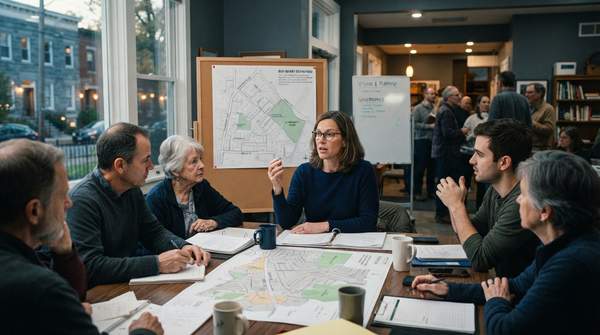
Why Preserving Summit County's Architecture Matters
Preservation ordinances, such as those in Breckenridge's historic district, mandate specific material and design guidelines for new construction and renovations, according to Breckenridge Town Council Records. Historic district property values often show greater stability and appreciation than newer developments, as indicated by a National Trust for Historic Preservation Study. Adaptive reuse projects, like transforming old mining structures into commercial spaces, are crucial for preserving historical facades, Summit Daily News reports. Protecting these architectural legacies is vital for historical integrity, economic stability, and the unique character of Summit County's communities.
Common Questions About Historic Homes
How to identify historic homes in Summit County?
Identifying historic homes means looking beyond general features to original materials and construction techniques. Misidentifying styles can lead to inappropriate renovations that diminish a property's historical value, according to Historic Preservation Consultants. Focus on details like original cladding, window fenestration, and built-in craftsmanship to accurately assess a home's period.
What makes Summit County neighborhoods historic?
Neighborhoods achieve historic status through concentrated period-specific architecture and a documented past. Areas like Breckenridge's Main Street, for instance, boast a higher concentration of preserved 19th-century buildings, as shown on a Breckenridge Historic District Map. This collective visual narrative contributes to a neighborhood's historical designation.
Does a home need to be 'old' to be considered historic?
A home doesn't need to be from the 19th century to be historic; many mid-20th century styles now gain recognition, according to an FAQ on Historic Homes. Generally, a structure must be at least 50 years old for historic designation eligibility, including mid-century modern and early ski-era designs. This evolving definition protects a broader range of significant buildings.
Summit County, with its architectural layering from the 1890s mining boom to 1960s ski resort development, is an architectural palimpsest. It reveals a history of economic volatility that continues to shape its identity and development challenges. The tension between preserving genuine historical styles and accommodating modern tourism, seen in the juxtaposition of Victorian homes and newer resort structures, suggests Summit County is at a critical juncture. Its unique visual narrative could be irrevocably diluted for short-term economic gain. By Q3 2026, local preservation efforts must secure additional funding to protect at least 15 key structures, or neighborhood character will face accelerated erosion.


